The History and Origin of Soan Papdi — From Persian Kitchens to Mainpuri Counters
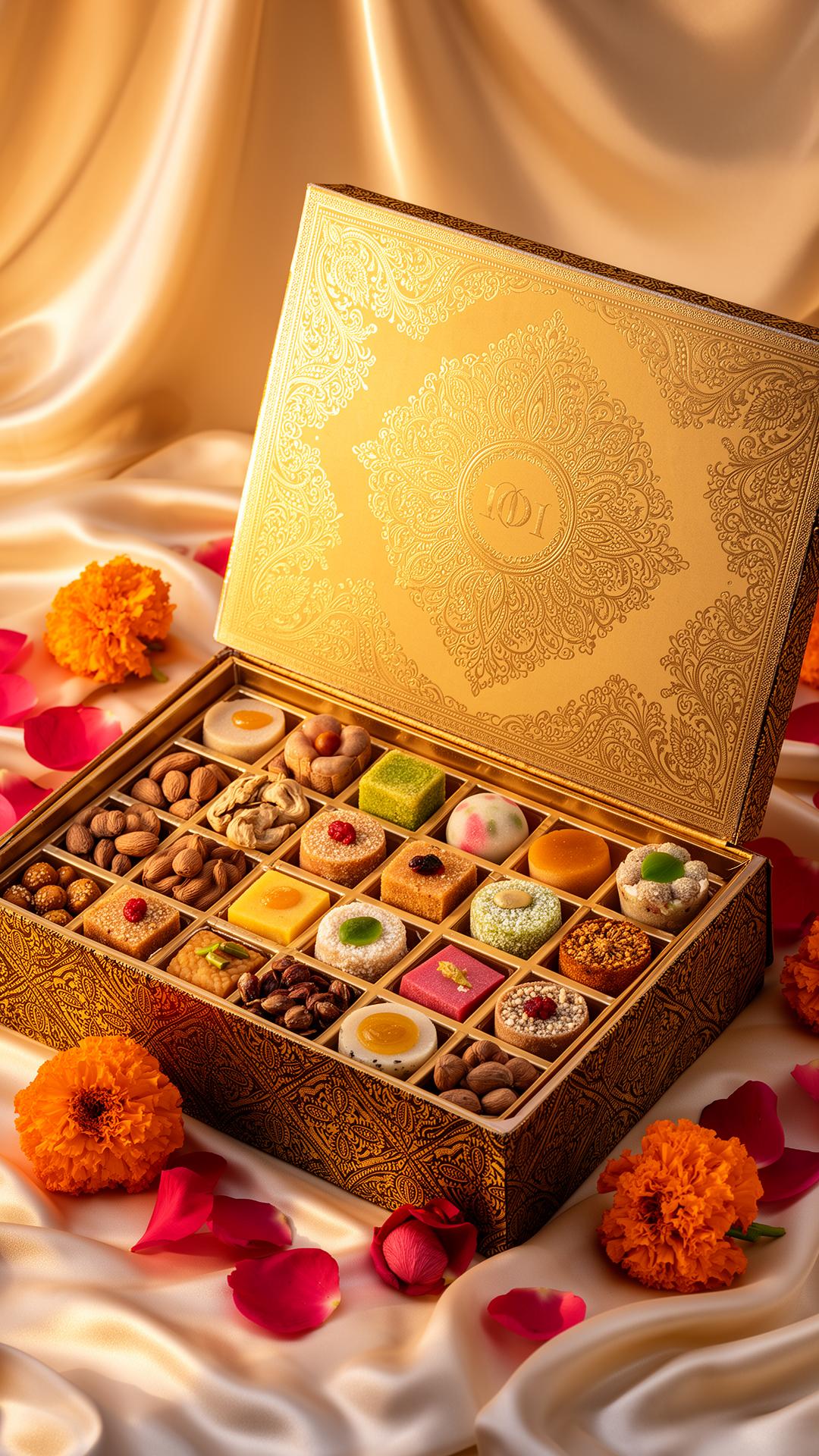
Soan Papdi is one of India's most-loved mithai — but its story begins long before it settled into North Indian homes. Understanding where it came from adds a little more sweetness to every bite.
Persian and Mughal roots
Culinary historians trace Soan Papdi's technique to Persian confectionery, where sugar and butter were pulled into fine floss-like strands. The technique travelled with Mughal cooks and merged with the halwai traditions of North India, using desi ghee and gram flour instead.
The North Indian journey
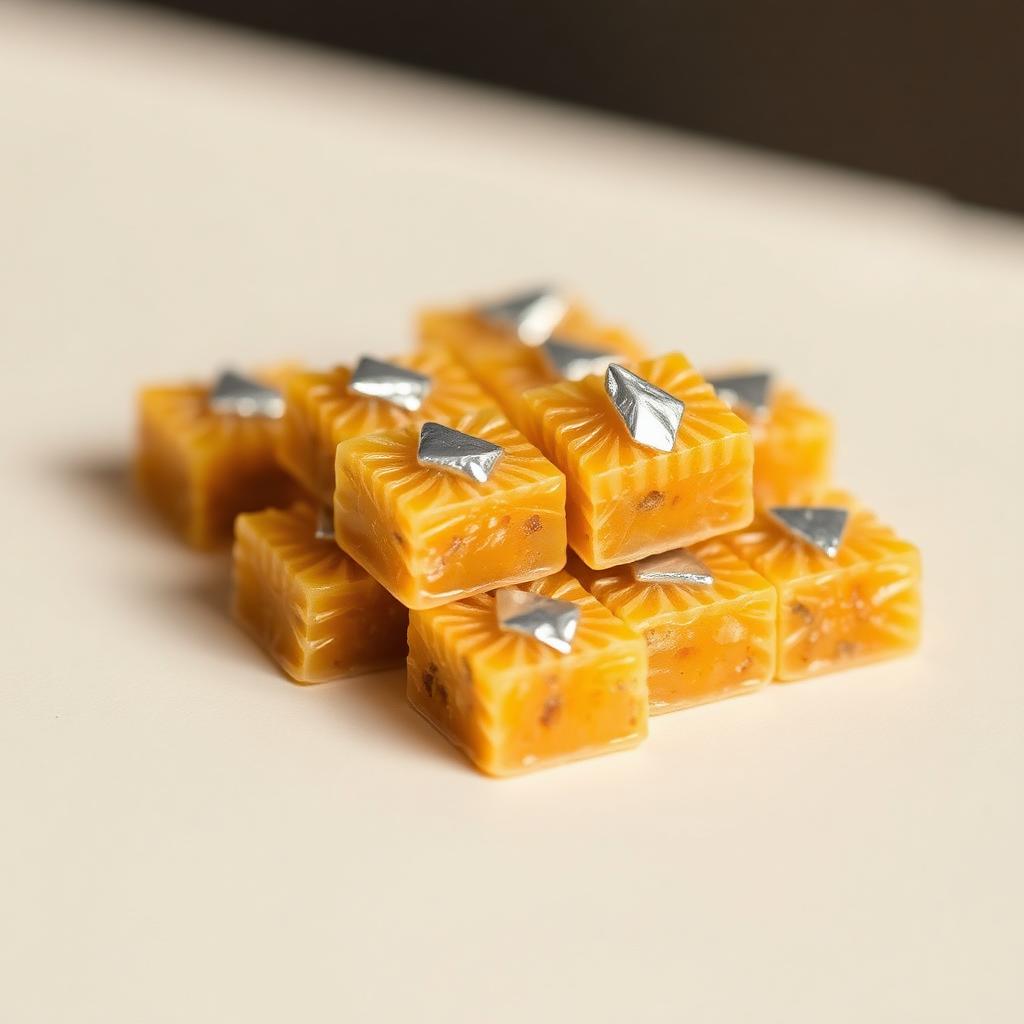
In Uttar Pradesh, Rajasthan and Punjab, Soan Papdi took its familiar layered-square form. It is called Patisa in some regions, Son Papdi in others. What stayed constant was the cardamom, the ghee, and the delicate hand-pulled strands.
Soan Papdi in Mainpuri
Mainpuri's halwai tradition adopted Soan Papdi as a festival and gifting staple decades ago. Brijwasi Sweets began making it in 1978, and today it is one of our most-ordered sweets — for Diwali, weddings, corporate gifting, and everyday celebrations across 205001.
Why the technique still matters
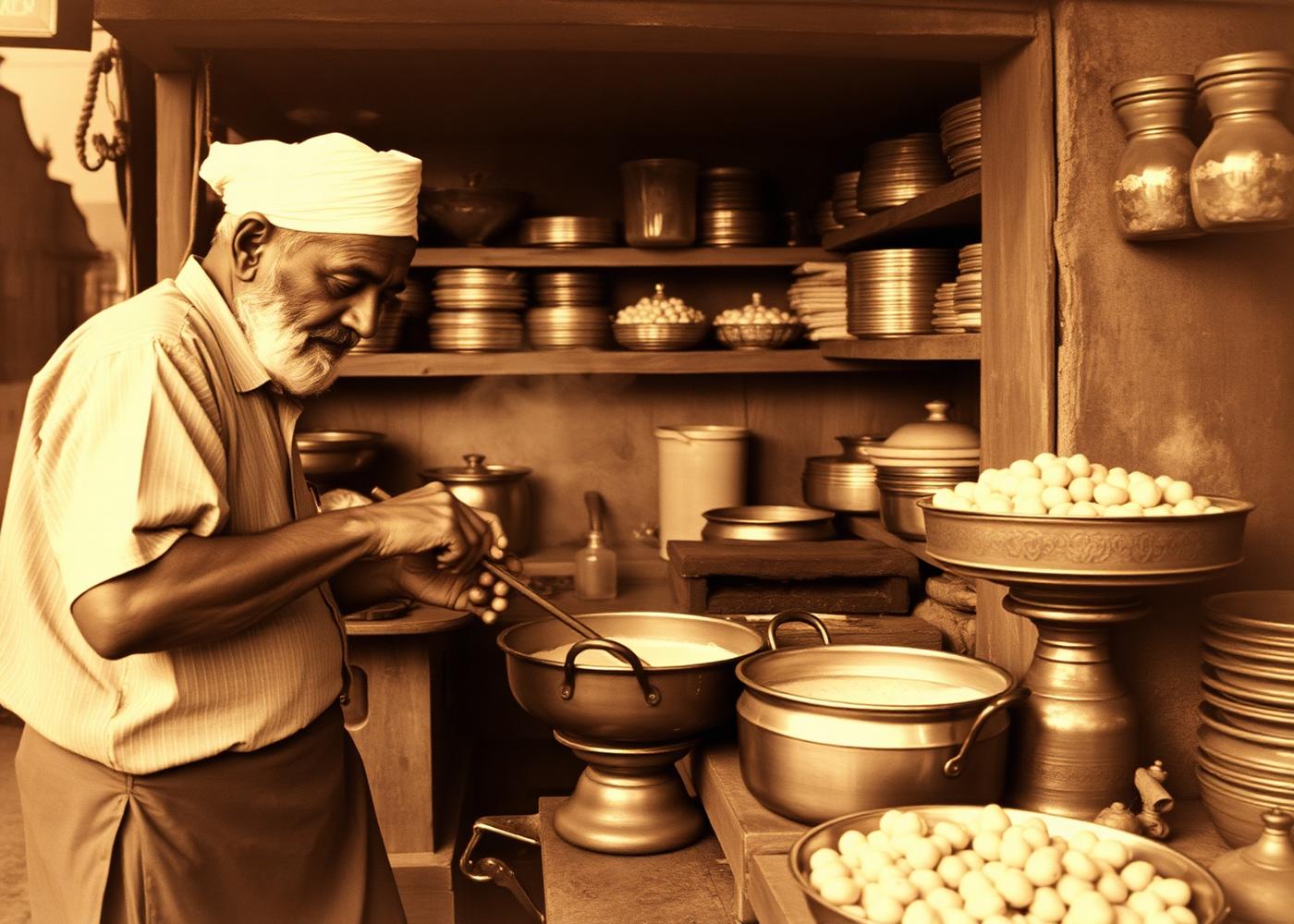
Modern factories can mass-produce Soan Papdi with machines. But the hand-pulled 'khinch' method used at Brijwasi produces finer strands, cleaner mouthfeel, and a more honest ghee-cardamom aroma. Some traditions are worth preserving.