How to Identify Authentic Soan Papdi (And Spot the Fakes)
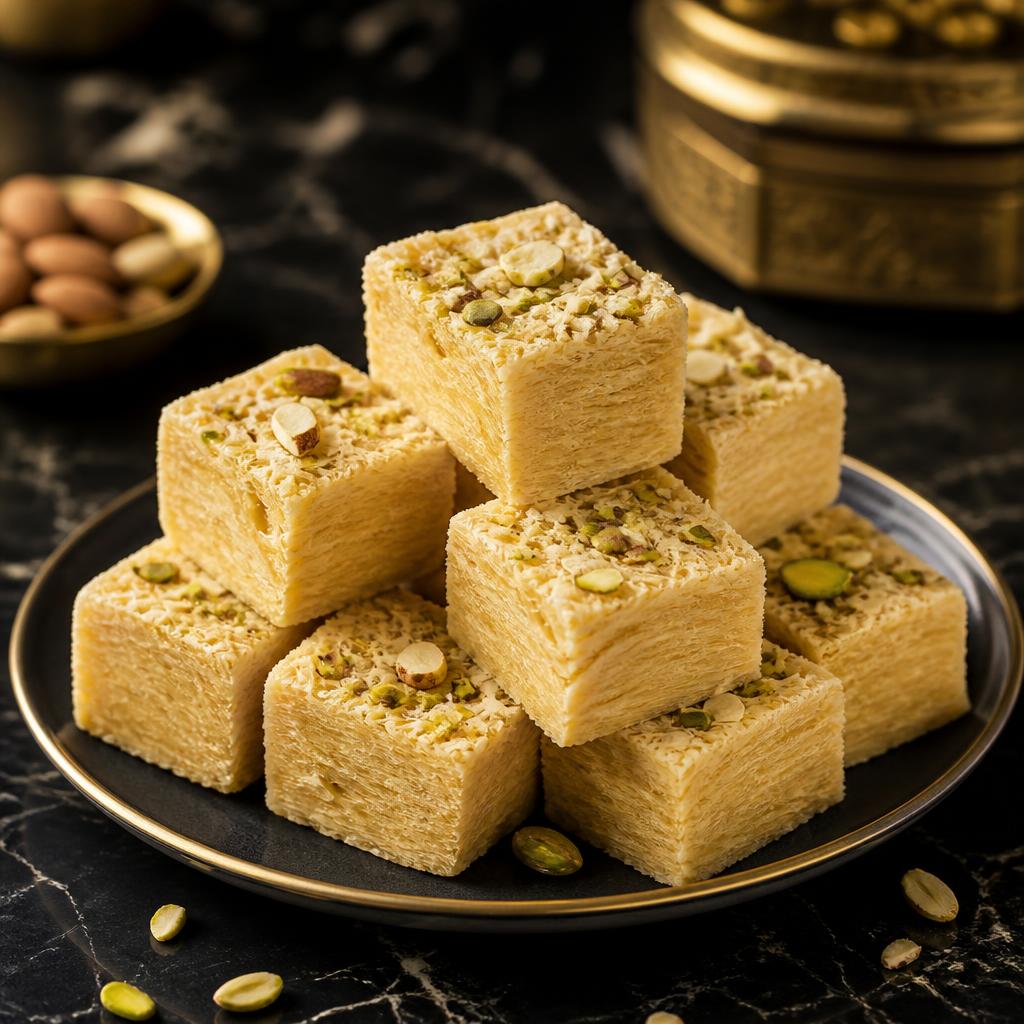
Soan Papdi is the easiest sweet to fake and the hardest to fake well. These are the checks we teach customers at our Mainpuri counter, where we have been making it since 1978.
1. The flake test
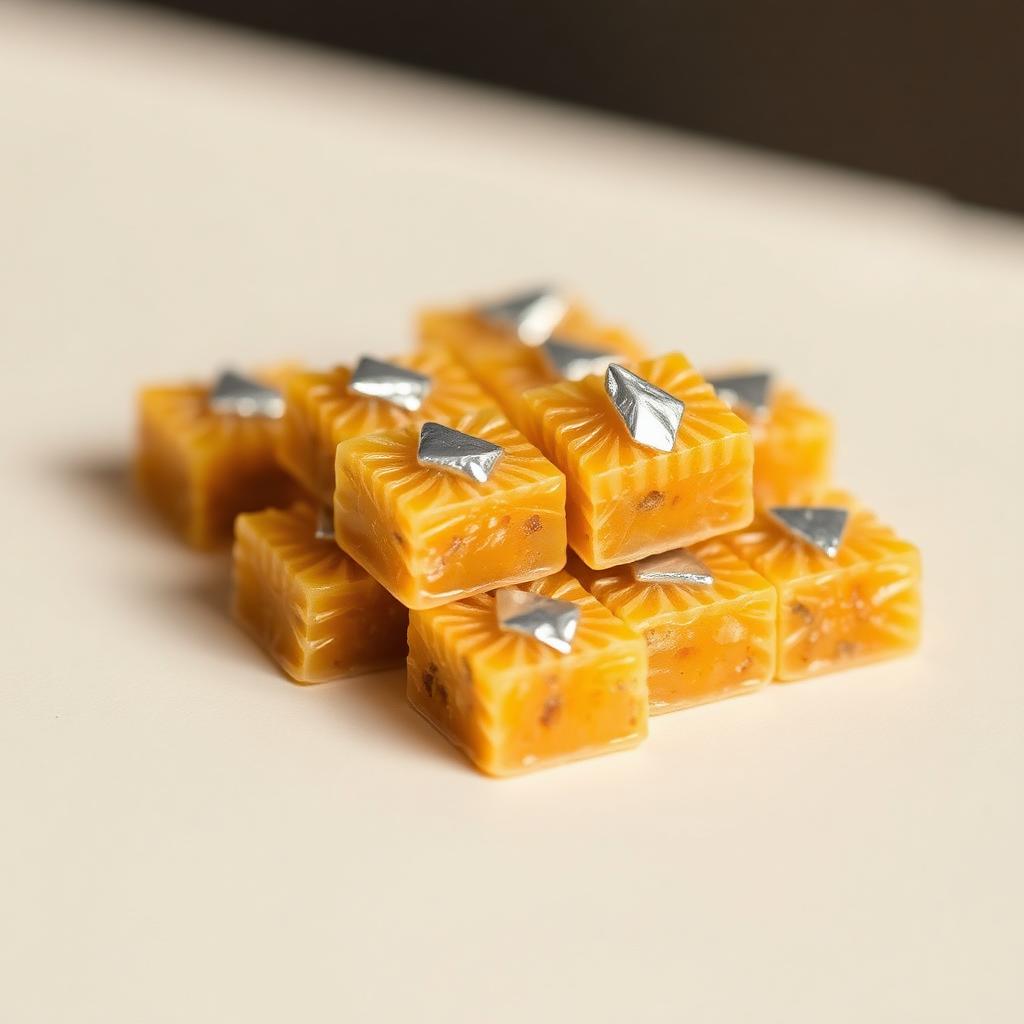
Press a cube gently. Authentic Soan Papdi separates into visible silky threads. Factory versions crumble into powder or stay rubbery.
2. The aroma test
You should smell roasted besan and desi ghee before cardamom. If the first note is perfume-like sweetness, it is flavour essence covering vanaspati.
3. The colour test
Real Soan Papdi is pale gold from slow-roasted gram flour — not bright yellow. Bright colour usually means added dye.
4. The melt test
It should dissolve on the tongue in a few seconds, leaving no waxy coating on the roof of the mouth. A greasy film means hydrogenated fat.
5. The aftertaste test
Authentic Soan Papdi finishes nutty and clean. A lingering sugary or metallic aftertaste points to excess sugar syrup and preservatives.
6. The date test
Ask for the packing date, not just the expiry. Soan Papdi is at its best in the first two weeks. We pack ours fresh through the week in Mainpuri, Uttar Pradesh 205001.