Why Desi Ghee Matters in Mithai — And How to Taste the Difference
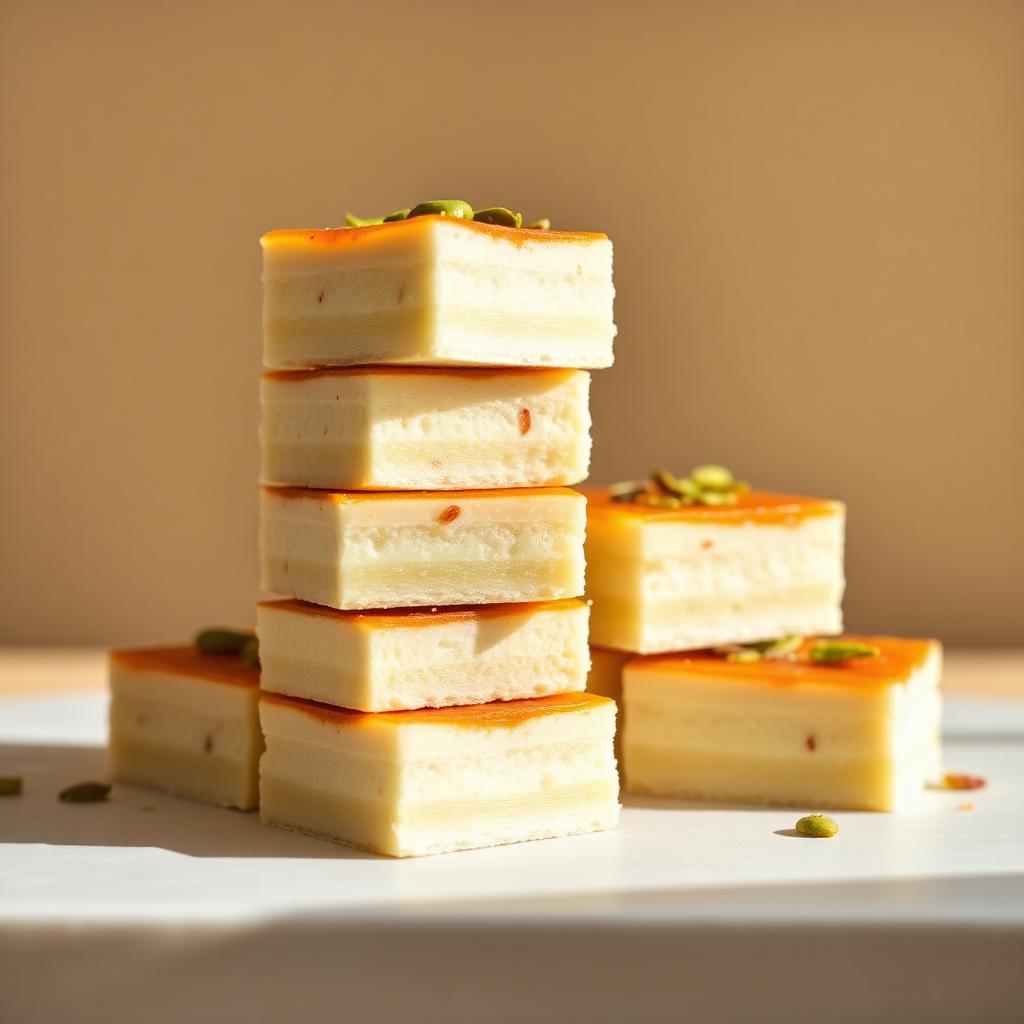
Ghee is the single biggest cost line in a mithai kitchen, which is exactly why it is the first thing cheaper shops replace. Here is what you lose when they do.
Aroma
Desi ghee carries volatile compounds that give roasted besan its nutty perfume. Vanaspati is odourless, so shops compensate with essences — the reason cheap mithai smells like flavouring rather than food.
Texture
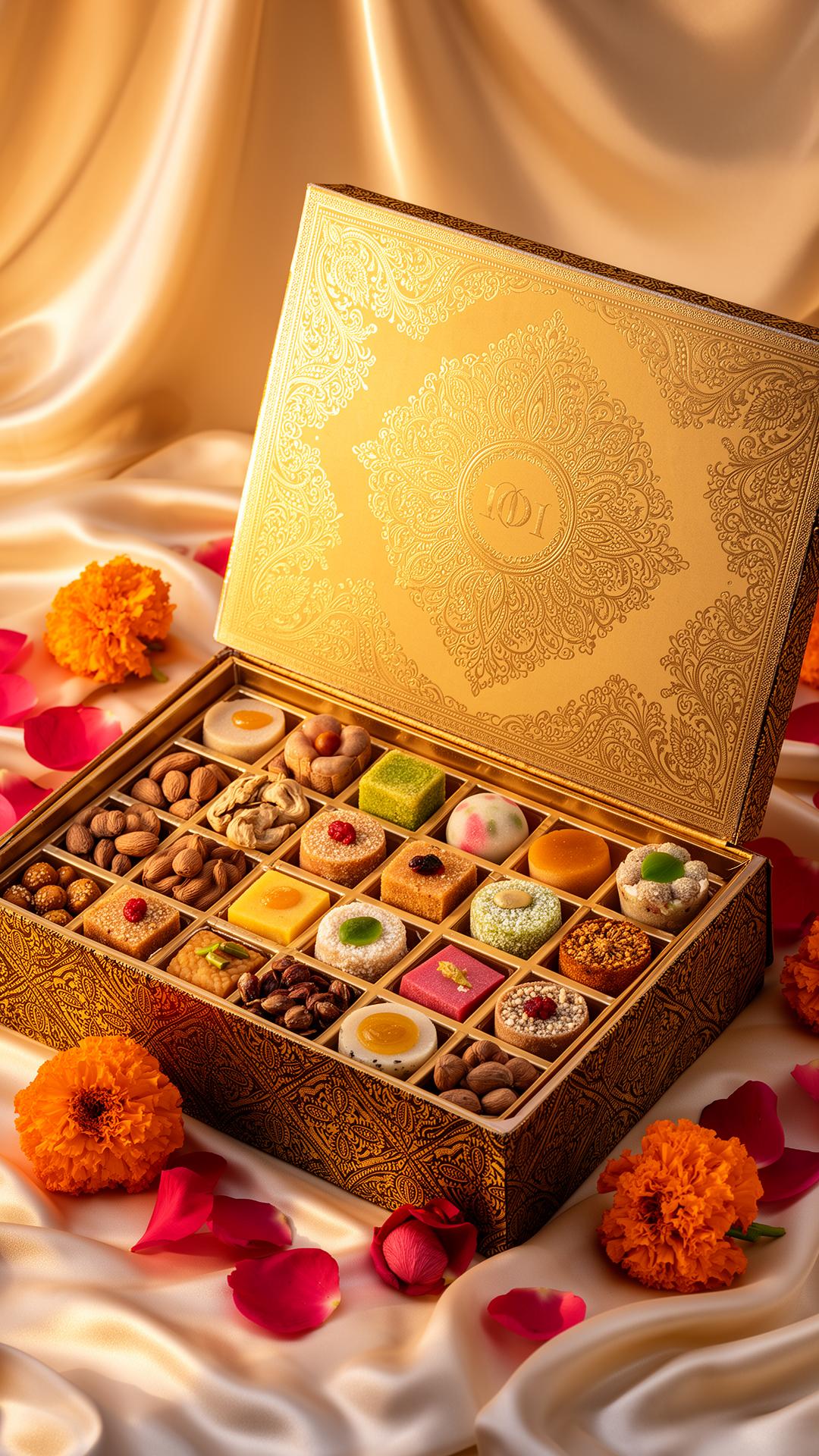
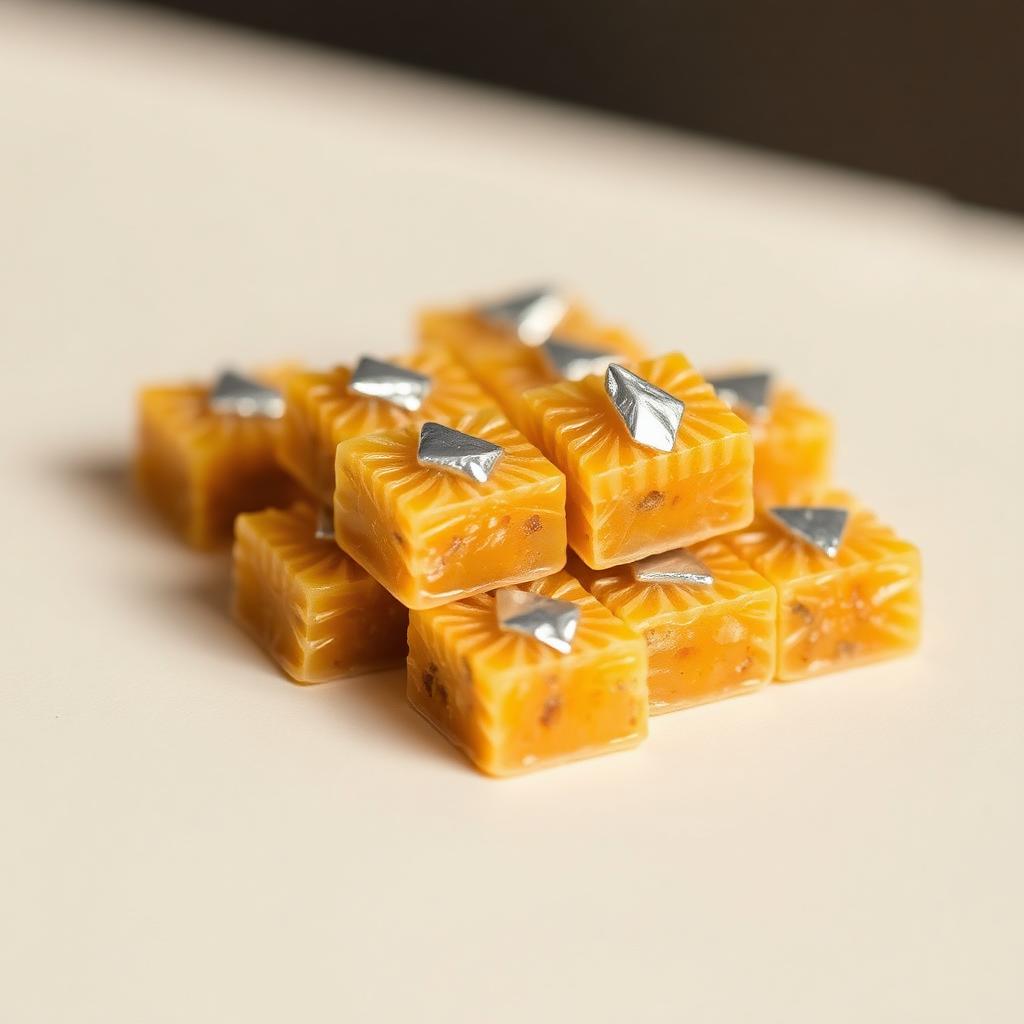
Ghee crystallises finely as it cools, which is what lets Soan Papdi hold hundreds of separate layers and lets barfi cut cleanly instead of bending.
Mouthfeel
Pure ghee melts near body temperature. Hydrogenated fat melts higher, leaving that waxy coating on the palate that lingers after a cheap ladoo.
Shelf life
Good ghee mithai stays honest as it ages — it dries slightly but does not turn sour. Vanaspati sweets often develop an off, stale-oil edge.
How Brijwasi works
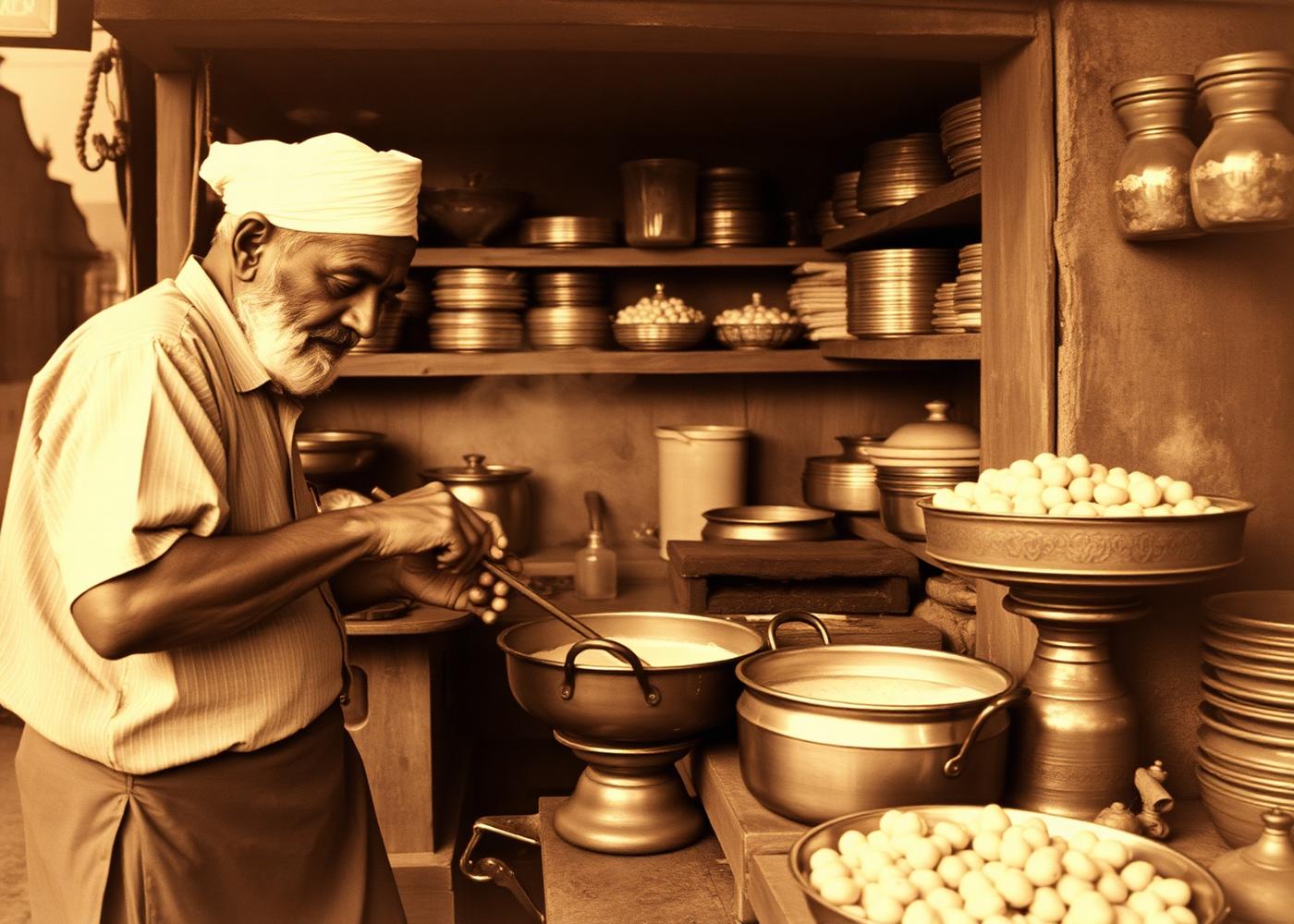
We have used desi ghee in our Mainpuri kitchen since 1978, across Soan Papdi, ladoo, barfi and milk cake — and we roast besan slowly rather than pushing heat to save time.